








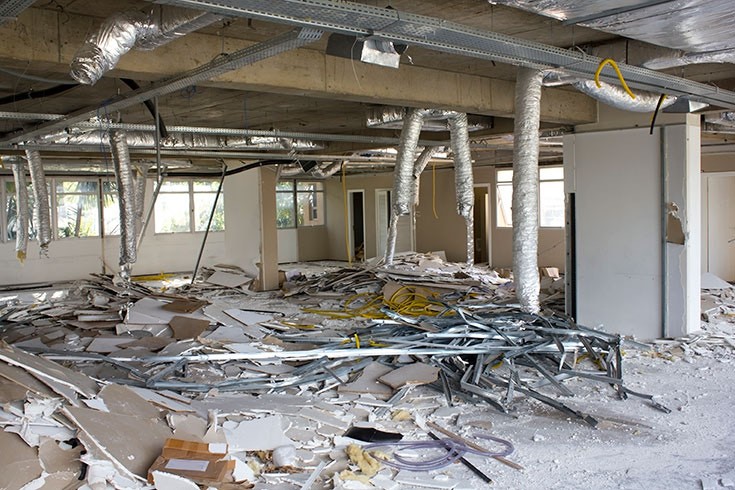
Interior demolition is one of the most debris-intensive phases of a renovation project. Removing walls, ceilings, flooring, and built-in features generates large volumes of material in a confined space, often over a short period of time. For contractors, effective waste management during interior demolition is essential to maintaining workflow, protecting safety, and keeping projects on schedule.
This article covers the core waste management considerations contractors typically account for when planning interior demolition work.
-
Why Interior Demolition Requires Structured Waste Planning
Unlike exterior demolition, interior work happens within enclosed spaces where debris can quickly restrict movement and access. Drywall dust, broken materials, and removed components can spread throughout the structure if not managed carefully. Without a clear disposal plan, crews may lose time staging debris or navigating cluttered work areas.
Structured waste planning helps contractors maintain control over debris flow from the moment demolition begins.
-
Common Types of Interior Demolition Waste
Interior demolition produces a mix of materials, including drywall, plaster, framing lumber, flooring, cabinetry, tile, and fixtures. Packaging and protective materials used during prep and containment add to the overall waste stream.
Many of these materials are bulky and awkward to handle, making centralized disposal an important part of maintaining efficiency during tear-out phases.
-
Centralizing Debris Removal
Most contractors rely on centralized disposal to keep interior work areas manageable. Debris is moved out of the structure as it is generated and placed into designated containment rather than piling up inside the work zone.
This approach reduces trip hazards, improves air movement, and allows multiple trades to work without interference once demolition is complete.
-
Timing Disposal with Demolition Phases
Interior demolition often happens in stages, especially on multi-room renovations. Contractors typically plan waste removal around these stages, ensuring adequate capacity is available during heavy tear-out periods while avoiding unnecessary on-site equipment during quieter phases.
Aligning disposal timing with demolition milestones helps prevent overfilled containers and keeps work moving without interruption.
-
Managing Weight and Material Density
While interior debris may appear lightweight, materials such as tile, plaster, and old flooring can add significant weight quickly. Contractors often monitor how debris is loaded to distribute weight evenly and avoid reaching capacity sooner than expected.
Awareness of material density helps prevent delays caused by mid-project disposal adjustments.
-
Coordination and Site Logistics
Interior demolition projects often take place in occupied homes or shared buildings, where access and cleanliness matter. Clear pathways, protected exits, and defined debris routes help minimize disruption and reduce cleanup outside the work area.
Contractors may coordinate with providers such as Waste Removal USA alongside local services to align disposal logistics with site constraints and renovation schedules. In these cases, reliability and coordination are typically more important than the scale of the provider.
-
Supporting Safety and Efficiency
Effective waste management supports safer interior demolition by keeping sharp materials, loose debris, and dust-producing waste contained. Cleaner sites improve visibility, reduce fatigue, and allow crews to work more efficiently in tight environments.
Consistent debris handling also supports smoother transitions from demolition to reconstruction phases.
Waste management is a foundational element of successful interior demolition projects. By planning disposal around material types, demolition stages, and site limitations, contractors can prevent debris from becoming a source of delay or hazard.
When waste handling is integrated into demolition planning, interior renovation projects tend to progress more smoothly, setting the stage for efficient rebuilding and finishing work that follows.