









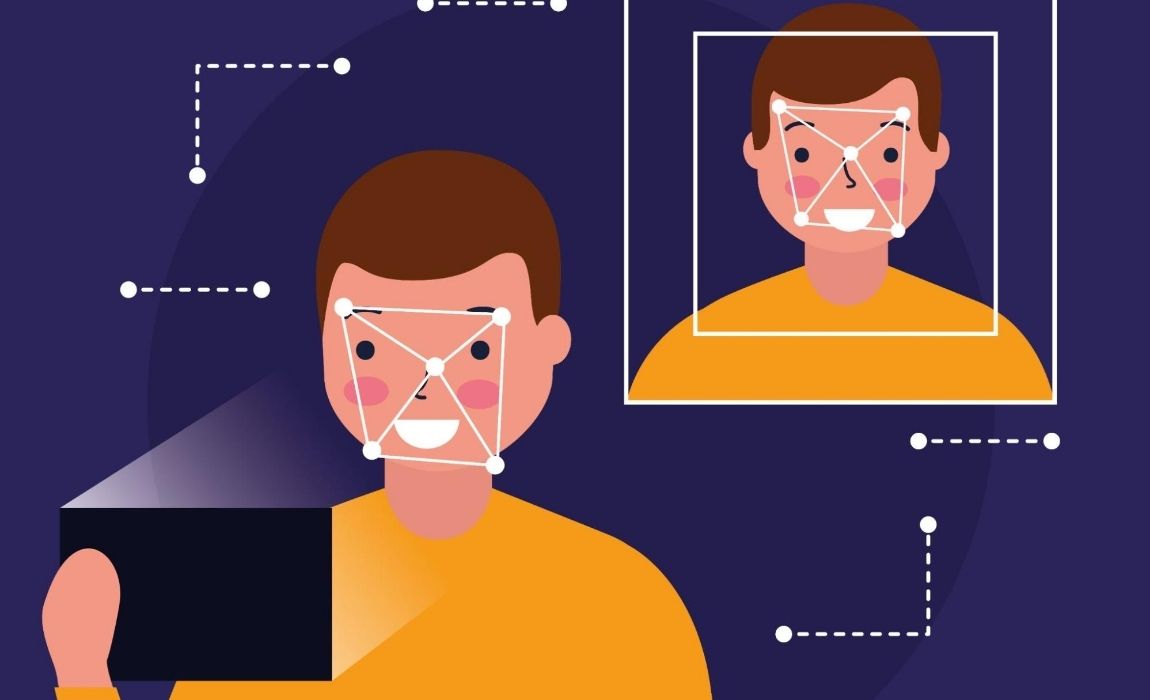
Advertising has always evolved alongside technology. From print to radio, television to social media, brands adapt to whatever captures attention best. Today, artificial intelligence is shaping the next phase, and AI face swap technology is one of the most debated tools in that shift. While it opens the door to fresh creative possibilities, it also raises important ethical questions.
For brands, the challenge is clear. How do you use AI face swap in advertising in a way that feels innovative and engaging without misleading audiences or damaging trust? The answer lies in understanding both the creative potential and the ethical boundaries of the technology.
What is AI face swap and why does advertising care?
AI face swap technology digitally replaces one person’s face with another in images or videos while preserving expressions, movement, and lighting.
In advertising, this matters because it allows brands to create highly engaging visual content quickly and at scale.
Advertisers care because the format naturally grabs attention. Humans are hardwired to notice faces, and when a face appears in an unexpected context, viewers stop scrolling. This makes face swap a powerful storytelling and engagement tool when used responsibly.
How are brands using AI face swap creatively today?
Brands are not using face swap only for shock value.
Many are applying it in subtle, playful ways that align with their identity.
Common creative uses include:
- Reimagining brand mascots with human expressions
- Placing fictional characters into modern settings
- Creating parody-style ads that reference pop culture
- Localizing campaigns by swapping faces for regional markets
These approaches allow brands to stay culturally relevant while keeping the tone light and intentional.
Why does face swap content perform well on social media?
Social media algorithms reward watch time, replays, and interaction.
Face swap videos naturally encourage all three.
According to a 2024 report from Meta, short-form videos with unexpected visual elements see up to 1.8 times higher completion rates than standard branded videos. Face swap works because it introduces surprise within the first few seconds, which is critical on platforms like TikTok and Instagram.
When viewers pause, react, or share, the algorithm amplifies reach without additional ad spend.
Where do ethical concerns come from?
Ethical concerns arise when face swap blurs the line between fiction and reality.
Problems occur when viewers are unsure whether what they are seeing is real.
Key risks include:
- Using a real person’s likeness without consent
- Implying endorsements that never happened
- Creating deceptive or manipulative narratives
Advertising already operates in a trust-sensitive environment. Any technology that threatens that trust must be handled carefully.
How can brands use face swap without misleading audiences?
Transparency is the foundation.
Ethical use means making it clear that the content is creative or fictional.
Responsible brands:
- Use clearly stylized or exaggerated visuals
- Avoid real public figures unless permission is explicit
- Frame content as parody, storytelling, or illustration
- Include disclaimers when appropriate
When audiences understand the intent, face swap becomes entertainment rather than deception.
What role does consent play in ethical face swap advertising?
Consent is non-negotiable.
Using someone’s face without permission, even in a playful ad, can create legal and reputational risks.
Brands that work ethically ensure:
- Written consent from participants or models
- Clear usage rights for likeness and distribution
- Alignment with local advertising and privacy laws
This is especially important as regulations around AI-generated media continue to evolve.
How does AI face swap support personalization without crossing lines?
Personalization is one of advertising’s biggest advantages, but it must be done carefully.
AI face swap allows brands to customize content for different audiences without filming new material.
For example, a brand can adapt the same ad for multiple regions using fictional or licensed faces rather than real individuals. Tools like ai face swap by Viggle AI are often explored in these workflows because they allow controlled experimentation without requiring extensive production resources.
The key is ensuring personalization enhances relevance without implying false relationships or endorsements.
Can face swap be used safely in influencer-style campaigns?
Yes, when handled correctly.
Some brands use face swap to create influencer-style content without relying on actual influencers.
Ethical approaches include:
- Using brand-created characters or avatars
- Clearly labeling content as branded or fictional
- Avoiding resemblance to real creators
This allows brands to tap into influencer aesthetics while remaining transparent.
How does humor help manage ethical risks?
Humor sets expectations.
When content is clearly comedic or exaggerated, audiences are less likely to interpret it as factual.
Studies from Nielsen show that humorous ads are perceived as 28 percent more trustworthy when the intent is obvious. Face swap content framed as humor or parody benefits from this effect, reducing the risk of confusion.
What industries benefit most from ethical face swap advertising?
Certain industries are naturally suited to playful experimentation.
These include:
- Entertainment and streaming platforms
- Gaming and esports brands
- Fashion and lifestyle companies
- Consumer technology
In these spaces, audiences already expect creativity and visual storytelling, making ethical face swap usage feel natural.
How should brands measure success beyond engagement?
Engagement is only part of the picture.
Brands should also track sentiment and brand perception.
Useful metrics include:
- Comment tone and audience feedback
- Brand lift and recall studies
- Share quality, not just quantity
Positive engagement paired with positive sentiment indicates ethical execution.
What does the future of face swap advertising look like?
AI face swap technology will continue to improve, becoming more realistic and accessible.
As realism increases, ethical standards will become even more important.
Industry experts predict that by 2026, over 50 percent of major brands will have internal guidelines for AI-generated content use. Brands that establish ethical frameworks now will be better positioned as regulations tighten.
Conclusion
AI face swap offers advertisers a powerful way to stand out in crowded digital spaces, but creativity without ethics is short-lived. The brands seeing the most success are those that treat face swap as a storytelling tool rather than a shortcut.
By prioritizing consent, transparency, and audience trust, brands can use AI face swap to create engaging, memorable advertising without crossing ethical lines. In a landscape where authenticity drives loyalty, responsible creativity is not just safer. It is smarter.