









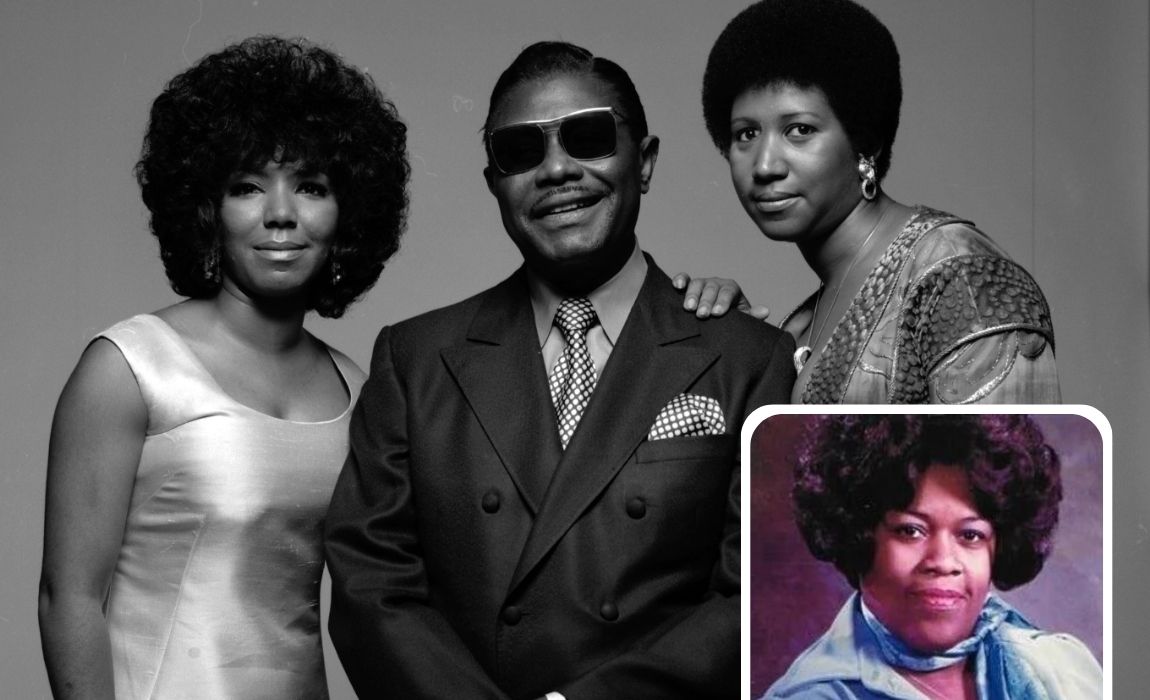
The life of Carl Ellan Kelley was shaped by shadows, silence, and eventually strength. Although she is widely recognized as a half-sister of the legendary Aretha Franklin, her story stands independently as a powerful reflection of resilience. Born into controversy, distanced from her parents, and pushed into a life that demanded emotional courage from the very beginning, Carl Ellan Kelley learned to navigate family secrets, strained relationships, and the weight of expectations without ever stepping into the spotlight that surrounded the Franklin name. Her journey—quiet yet extraordinary—remains a compelling chapter in the heritage of one of America’s most influential families.
Quick Bio Table Carl Ellan Kelley
| Attribute | Details |
|---|---|
| Full Name | Carl Ellan Kelley (born Carl Ellan Jennings) |
| Date of Birth | November 17, 1940 |
| Place of Birth | Memphis, Tennessee, USA |
| Nationality | American |
| Ethnicity | African American |
| Father | Reverend C. L. Franklin |
| Mother | Mildred Jennings |
| Half-Siblings | Aretha Franklin, Erma Franklin, Carolyn Franklin, Cecil Franklin, Vaughan Franklin |
| Profession | Nurse |
| Children | Charles G. Smith, Herman E. Wheatley III, and the late Vivian Smith |
| Date of Death | January 30, 2019 |
| Resting Place | Woodlawn Cemetery, Detroit, Michigan |
Early Beginnings Shaped by Controversy
The birth of Carl Ellan Kelley on November 17, 1940, came at a moment filled with turmoil and grief. Her mother, Mildred Jennings, was only twelve years old when she became pregnant after being sexually abused by Reverend C. L. Franklin, who was twenty-five at the time. The incident reflected a painful truth about the era: young Black girls were often denied justice, compassion, or protection. While Reverend Franklin’s rising influence within the church shielded him from consequences, Mildred endured condemnation and isolation. The emotional burden placed on a child who was victimized, then separated from her newborn, became an unspoken wound in the Franklin family’s history—one that deeply shaped Carl Ellan Kelley’s identity.
Growing Up Under Her Grandmother’s Care
Because of these circumstances, Carl Ellan Kelley was raised by her grandmother, Cornelious Mayo Hill Berry, in Memphis, Tennessee. Although her grandmother loved and protected her, Carl grew up sensing the unspoken tension surrounding her origins. She knew, even as a young girl, that her life was connected to a man with enormous spiritual influence—Reverend C. L. Franklin—yet that connection did not translate into fatherly presence. Her childhood, therefore, became a mixture of quiet strength and lingering questions. The absence of her parents created a void, but her grandmother’s guidance taught her compassion, humility, and resilience—values that later shaped her career in nursing.
A Life Lived in the Shadow of Fame
While Carl Ellan Kelley lived a private life, the Franklin family was stepping into national prominence. Her half-siblings—Erma, Carolyn, Cecil, Vaughan, and most famously, Aretha—were raised in Detroit, surrounded by gospel, soul, and activism. As Aretha Franklin rose to become the Queen of Soul, her voice echoed across the world, but Carl remained an unseen member of the Franklin legacy. She chose a different path, far away from the stage lights, and rooted instead in service to others. Ironically, her quiet existence made her story even more compelling, proving that greatness does not always shine under the spotlight.
The Long-Delayed Meeting With Her Father
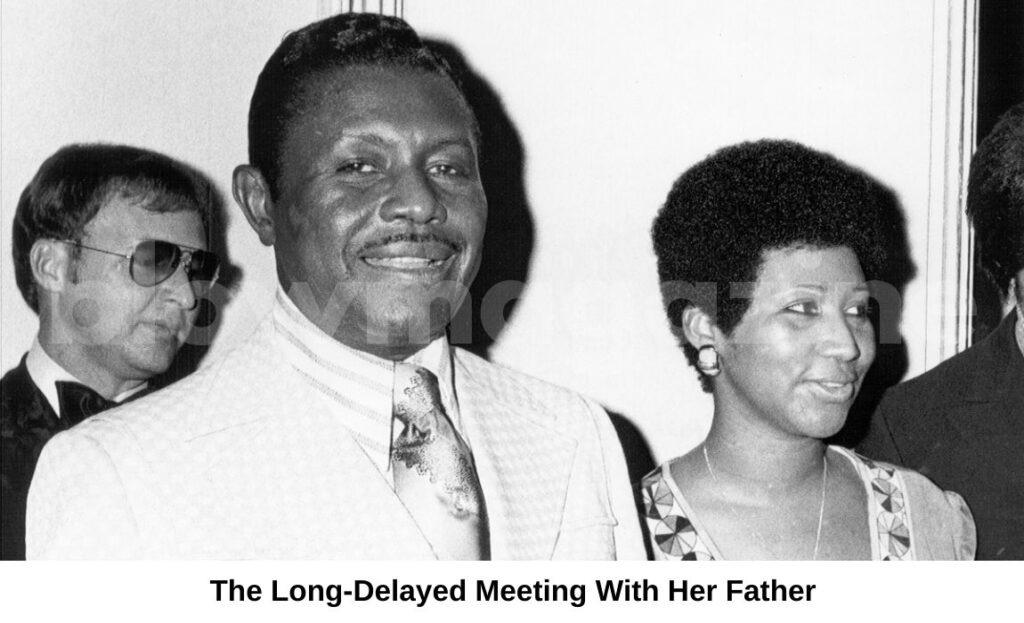
It wasn’t until Carl Ellan Kelley reached almost eighteen years old that she decided to contact her father. Guided by a minister she trusted at A.R. Williams’s church in Memphis, she took the first courageous step: writing a letter to Reverend Franklin. She hoped for connection, truth, and family—simple desires denied to her since birth. But the reverend did not reply to her directly. Instead, he contacted the minister, a choice that reflected his reluctance to publicly acknowledge the child whose existence opened old wounds and sparked new rumors. Despite the tension, that first letter forced a truth into the open: Carl wanted her rightful place in her father’s life, and she would no longer remain hidden.
A Complicated Introduction to the Franklin Family
When Carl Ellan Kelley visited Detroit, the meeting between her and Reverend Franklin was a mix of obligation and emotional awakening. To her father, acknowledging her was a moral responsibility he had long avoided. To Carl, the moment held deeper meaning—a validation of her identity after years of secrecy. The reactions within the Franklin family varied. Some siblings were surprised, some uncertain, but Rachel Franklin, affectionately known as “Big Mama,” welcomed Carl with grace and warmth. For the first time, Carl experienced the possibility of belonging, even though the circumstances remained complicated.
The Rising Bond—And Lingering Distance
Although Reverend Franklin never publicly discussed Carl Ellan Kelley in sermons or church announcements, the private relationship between father and daughter slowly grew. When Carl later moved to New Orleans, the reverend invited her to join him during preaching engagements, signaling a desire to bridge the emotional distance between them. Eventually, when she relocated to Seattle, their bond continued, though still shaped by caution and unspoken regrets. For Carl, this connection—imperfect, fragile, but real—became a meaningful part of her adulthood.
Her Relationship With Aretha Franklin
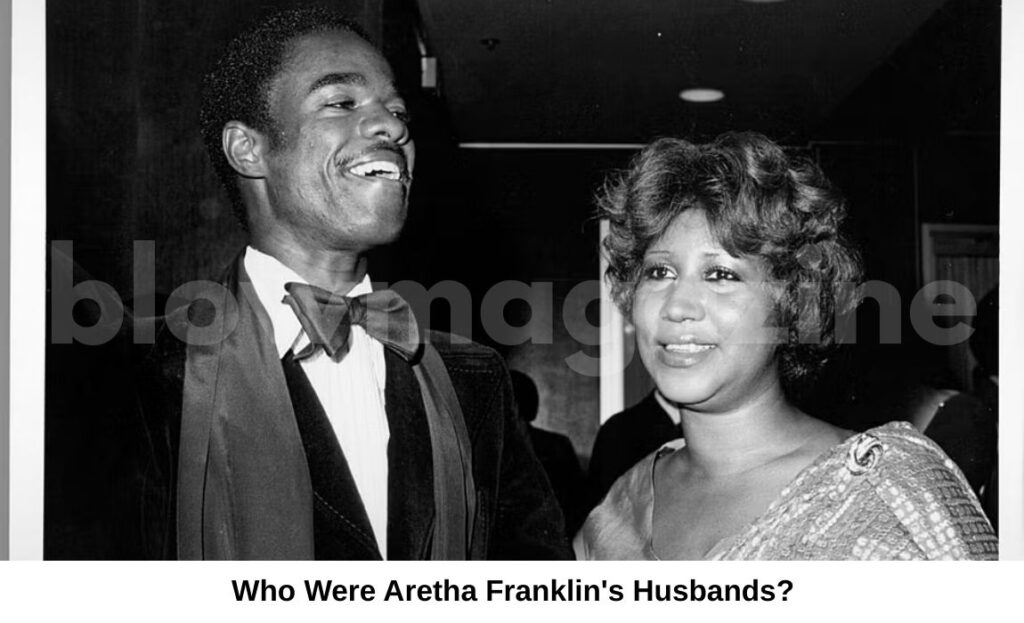
The bond between Carl Ellan Kelley and Aretha Franklin was respectful but distant. When Carl first appeared in their lives, Aretha was already a young mother and a rising star. Their worlds were dramatically different—one shaped by fame, tours, and music; the other built on privacy, caregiving, and quiet determination. Although they were not close in the traditional sense, Aretha acknowledged Carl as her sister. This connection became publicly known when Aretha included Carl in her 2014 handwritten will, leaving her $50,000—a gesture of recognition and familial respect. It was a powerful reminder that even quiet family ties still mattered deeply.
Choosing a Career of Compassion
Rather than follow her family’s musical legacy, Carl Ellan Kelley pursued a career in nursing. This choice reflected her inner strength and deep empathy—attributes shaped by her own difficult childhood. Nursing allowed her to build a meaningful life outside the Franklin spotlight, grounded in service, human connection, and purpose. Her patients remembered her for her kindness, and her colleagues admired her dedication. Her work demonstrated that influence comes in many forms, and compassion can be just as powerful as fame.
A Devoted Mother and Grandmother
Despite her challenging beginnings, Carl Ellan Kelley created a stable, loving home for her children: Charles G. Smith, Herman E. Wheatley III, and the late Vivian Smith. She was determined to give them the security she lacked growing up. As the years passed, her family expanded with grandchildren and great-grandchildren who adored her. Her legacy within her own household became one of love, protection, and wisdom—qualities that outshone the turmoil of her early life.
Health Challenges in Her Later Years
Like many who led demanding professional and emotional lives, Carl Ellan Kelley faced long-term health struggles. She battled heart disease for years, but continued to live quietly in Detroit, surrounded by family who cherished her. On January 30, 2019, she passed away at age 78. Her funeral echoed the dignity with which she lived—modest, heartfelt, and rooted in the love of those who knew her personally.
Resting Among Her Family
Carl Ellan Kelley was laid to rest at Woodlawn Cemetery in Detroit, the same burial place as her father and siblings, including Aretha Franklin. In life, she often felt like the hidden branch of the Franklin family tree; in death, she rests alongside them, forever part of the family’s enduring legacy.
Legacy of Quiet Strength
The story of Carl Ellan Kelley is not defined by fame, but by perseverance. She survived trauma, sought truth despite emotional risk, built her own identity, and devoted her life to helping others. Her strength was quiet yet powerful, her existence humble yet deeply meaningful. Her life is a reminder that every family—no matter how celebrated—contains untold stories shaped by struggle and courage.
Final Thoughts
While the world celebrates Aretha Franklin for her unparalleled impact on music, the life of Carl Ellan Kelley offers a different kind of inspiration. Her journey reflects how a person can rise above painful beginnings, choose compassion over resentment, and build a legacy rooted not in fame, but in humanity. Her story adds emotional depth to the Franklin family history and stands as a testament to resilience, dignity, and the strength to walk one’s own path.
FAQs
1. Who was Carl Ellan Kelley?
Carl Ellan Kelley was the daughter of Reverend C. L. Franklin and the half-sister of Aretha Franklin. Born into a controversial and painful situation, she lived a private life and later became a dedicated nurse and mother.
2. Why was Carl Ellan Kelley’s birth considered controversial?
Her mother, Mildred Jennings, was only twelve years old when she became pregnant after being sexually abused by Reverend Franklin. The event was never publicly addressed during that era and carried heavy emotional and social consequences.
3. Did Carl Ellan Kelley have a relationship with her father?
Yes, but it developed late. She reached out to Reverend Franklin at around age eighteen. Although he did not publicly acknowledge her, they eventually formed a private father-daughter relationship.
4. How was Carl Ellan Kelley connected to Aretha Franklin?
They were half-sisters through their father. While not personally close, Aretha recognized Carl in her handwritten will and left her $50,000.
5. What career did Carl Ellan Kelley choose?
She became a nurse, dedicating years of her life to caring for patients—a career that reflected her resilience and empathy.
6. Did Carl Ellan Kelley have children?
Yes, she had three children: Charles G. Smith, Herman E. Wheatley III, and Vivian Smith (who passed away before her mother).
7. What is Carl Ellan Kelley’s legacy today?
Her legacy is one of quiet strength, survival, compassion, and dignity. Though overshadowed by her family’s fame, her story enriches the Franklin family history and inspires those who value resilience over recognition.