









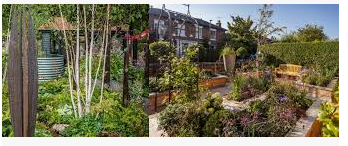
Ever walked past a garden and thought, “That looks expensive,” only to discover it’s mostly made from recycled pallets and rainwater tanks?
The gardening trends shaping outdoor spaces in 2026 are smarter, kinder to the planet, and surprisingly achievable for normal people with limited budgets.
So, if you’re wondering what’s worth your time and what’s just Instagram nonsense, let’s dig in.
The Native Plant Revolution
Exotic plants look stunning, right up until a British drizzle hits and they decide life just isn’t worth it.
Native species, on the other hand, are built for our unpredictable climate. They handle the rain, survive the frost, and don’t wither when the sun forgets to show up.
They’re also brilliant for local wildlife. Bees, butterflies, and birds have evolved alongside these plants, so they know how to feed on them and use them for shelter.
Garden centres now stock proper native selections, like wild geraniums and foxgloves, meaning that you don’t need to hunt down specialist nurseries.
Also, once established, these specimens basically look after themselves. So, you’ll spend less time fussing over your plants and more time enjoying your garden.
Water-Smart Gardens
Britain’s weather is bizarre. One month, you’re drowning in rain, and the next, you’re on a hosepipe ban.
Smart gardeners now prepare for both scenarios with water-efficient designs that save money and hassle.
Rainwater harvesting has gone from an ‘eco-warrior fringe activity’ to standard practice. Tanks now come in all sizes, from discreet wall-mounted units to full underground systems.
To sweeten the pot, many local councils offer grants or rebates for installing water-saving outdoor upgrades, making the whole thing considerably more affordable than you’d think.
Drought-tolerant plants are having their moment, too. Mediterranean herbs, like lavender and rosemary, thrive in UK gardens, smell fantastic, and couldn’t care less if it doesn’t rain for weeks.
Combine these with mulching and proper soil preparation, and you’ve got a garden that handles whatever the weather throws at it without you constantly standing there with a hose.
Style with a Past
Buying everything new is officially over.
In 2026, reclaimed materials are everywhere in garden design, and honestly, they look better than their pristine, straight-from-the-shelf alternatives.
Old bricks create paths with actual character, salvaged timber makes brilliant raised beds, and vintage pots have more personality than anything from a chain store.
Finding these materials is easier than you might think. Community recycling schemes and architectural salvage yards are absolute goldmines. You’ll find options with history that cost a fraction of new equivalents.
But this change isn’t just about saving money or ticking an eco-friendly box. Using recycled materials creates gardens that feel lived-in and authentic, rather than polished to the point of boredom.
Your garden will end up with a story instead of looking like everyone else’s.
Functional Outdoor Rooms
Outdoor kitchens sound brilliant until you remember that this is Britain, not Barcelona. You can plan all you like, but sooner or later, the weather will ignore you completely.
That’s why flexible home setups work best. Go for fire pits you can move or store when rain shows up uninvited. You can also add an awning and weatherproof seating with removable cushions, so you don’t end up hauling soggy fabric indoors every evening.
You also need to be picky about the materials you’re using.
Aluminium, treated timber, and composite furniture handle moisture far better than untreated wood or cheap metals that start rusting before summer is over.
Also, quick-dry fabrics and breathable covers will save you from that musty smell that appears the moment the sun disappears.
The goal here is to have a space that you’ll actually use year-round, not an Instagram-worthy setup that gathers moss eleven months of the year.
Small Gardens, Big Ambitions
City dwellers and anyone with a postage-stamp garden are going vertical.
Yes, it saves space, and that part is great. But growing upwards also adds layers to your garden, attracts more wildlife, and opens the door to growing real food in places you’d normally write off completely.
Wall planters, repurposed pallets, and modular systems all work well for this. Even a small balcony can become a mini farm with the right setup, especially for herbs, salad leaves, and compact vegetables.
The bit that actually matters is what’s behind the scenes.
Good compost and proper drainage are non-negotiable. Vertical gardens usually fail for two reasons: water pooling at the bottom or draining so fast that the roots never get a chance to absorb moisture. So, getting that balance right makes all the difference.
If that sounds fiddly, you can always call in gardening and landscaping professionals to help you set up the space.
Maintenance-Free Technology
When it comes to gardening tech, we’re finally past the stage of gimmicks that look impressive at first glance but get ignored after just one week.
Instead of sticking to a rigid schedule, smart irrigation systems adjust watering based on weather forecasts and soil moisture. That means no more drowned plants after a rainy week, and no more accidental neglect during a dry spell.
Over time, they often pay for themselves through reduced water use alone, which makes them one of the few upgrades that actually save you money.
Lighting has had a similar glow-up. LED systems you control from your phone let you tweak brightness and timing without wasting electricity.
Outdoor setups from companies like Philips Hue are designed to be energy-efficient and subtle. So, you can achieve the ambience you want without turning your garden into a cramped landing strip.
The real test of good garden technology is whether you forget it’s there. The best systems do their job in the background, freeing you up to enjoy your space instead of constantly managing it.
Conclusion
You don’t need to overhaul everything at once. Just pick one trend that speaks to you and give it a go.
You might surprise yourself with how satisfying it is to create something that’s both beautiful and functional. And when your neighbours start asking questions about your setup, you’ll know you’re onto something good.