








Workplace safety is not just a legal requirement. It is a responsibility that protects people, equipment, and business operations every single day. In industries where forklifts are used the risk of accidents increases if proper safety systems are not in place. A well planned health & safety audit helps organisations understand how safe their workplace truly is and where improvements are needed.
Many businesses assume their safety procedures are working simply because no major incident has happened. However, small risks often go unnoticed until they lead to injuries or equipment damage. A regular health & safety audit provides a structured way to review policies, inspect equipment, and confirm that workers follow safe practices, especially when operating machinery such as forklift trucks.
Why a Health & Safety Audit Matters for Modern Workplaces
A health & safety audit is a detailed review of workplace safety systems, procedures, and training programs. It examines whether a business is meeting safety regulations while also protecting employees from avoidable risks. Instead of waiting for an accident to reveal weaknesses, an audit allows organisations to identify problems early and fix them quickly.
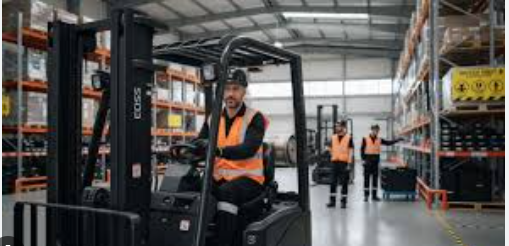
These machines help move heavy goods efficiently, but without proper controls, they can also cause serious injuries.
By reviewing training standards, equipment maintenance, and worksite procedures, a safety audit ensures that forklift operations remain safe and compliant. A strong audit process also improves workplace culture. When employees see that management takes safety seriously, they are more likely to follow rules and report hazards.
Key Areas Every Health & Safety Audit Should Review
A successful health & safety audit looks at several parts of a workplace, not just one safety policy. Each area plays a role in preventing accidents and supporting safe forklift operations. When auditors review these elements carefully, they gain a full picture of how the organisation manages risk.
A detailed inspection also helps companies prioritise improvements. Some issues require immediate action, while others may need long term planning or additional training. By understanding these priorities, businesses can focus resources where they matter most.
- Workplace risk assessment and identification of hazards
- Forklift truck training and certification of operators
- Equipment inspection records
- Safe management of traffic within the warehouse
- Emergency procedures and accident reporting
- Employees’ awareness of safety policies and procedures
Reviewing these areas helps ensure that safety systems are not only written on paper but actively followed across the workplace.
How Forklift Training Supports a Successful Health & Safety Audit
Forklift training plays a central role in workplace safety. Operators who understand how to control equipment properly are less likely to cause accidents or damage. During a health & safety audit, training records and operator skills are often reviewed to confirm that workers meet required safety standards. Proper training also helps employees understand the risks associated with forklift operations.
In addition, refresher training ensures operators remain confident and competent over time. Even experienced drivers can develop unsafe habits if they are not reminded of correct procedures. When organisations include regular training as part of their safety strategy, the results of their health & safety audit often show stronger compliance and fewer operational risks.
Essential Steps in a Professional Health & Safety Audit
Here are some essential steps that can be useful for health. This process is especially important in warehouses, factories, and logistics facilities where forklifts operate daily
Reviewing Workplace Safety Policies
The first step in a health & safety audit involves examining the organisation’s safety policies and procedures. These documents outline how the company manages hazards, trains employees, and responds to emergencies. Auditors check whether these policies meet legal requirements and whether they are clearly communicated to staff.
Inspecting Equipment and Work Areas
A physical inspection of the workplace forms a key part of the audit process. Auditors examine forklifts, storage areas, loading zones, and pedestrian walkways to identify potential hazards. They also check whether equipment is maintained correctly and whether safety features are functioning as expected. This inspection often reveals small issues that could become serious risks over time.
Evaluating Employee Training and Awareness
Training records show whether employees have received the instruction needed to work safely. During the audit, organisations must demonstrate that forklift operators hold valid training certificates and understand safe operating procedures. Auditors may also speak with employees directly to confirm their knowledge.
Analysing Incident and Accident Reports
Past incidents provide valuable insight into workplace safety performance. A health & safety audit reviews accident reports, near miss records, and corrective actions to determine whether the organisation learns from previous events. This analysis helps identify patterns that may indicate deeper problems. For example, repeated forklift collisions in the same area may signal poor traffic management or limited visibility.
Creating a Practical Improvement Plan
The final stage of the audit focuses on recommendations. After identifying risks and gaps, auditors develop a clear plan that outlines how the organisation can strengthen its safety systems. This improvement plan may include additional forklift training, updated safety procedures, or improved equipment maintenance schedules.
Common Mistakes Businesses Make During a Health & Safety Audit
Many organisations treat a health & safety audit as a one time exercise rather than an ongoing process. When audits occur only during inspections or compliance reviews, businesses miss the opportunity to continuously improve their safety systems. Another common mistake is focusing only on documentation. Safety policies are important, but they must be supported by real workplace practices.
If employees do not follow the procedures written in manuals, the organisation remains exposed to risk. Businesses also sometimes overlook employee involvement. Workers who operate forklifts daily often have the best understanding of workplace hazards. When their feedback is ignored, valuable insights are lost. Encouraging employees to share concerns and suggestions can greatly strengthen the results of any safety audit.
Conclusion
One of the best ways to protect employees and keep forklifts running safely is with a well-organised health and safety audit. This is an important tool that can help an organisation understand how safety works in practice. It can help an organisation identify risks early on and take corrective action to prevent problems from arising.
When businesses treat safety as a continuous priority rather than a simple checklist, they create workplaces where employees feel confident, protected and able to perform their jobs safely every day.