









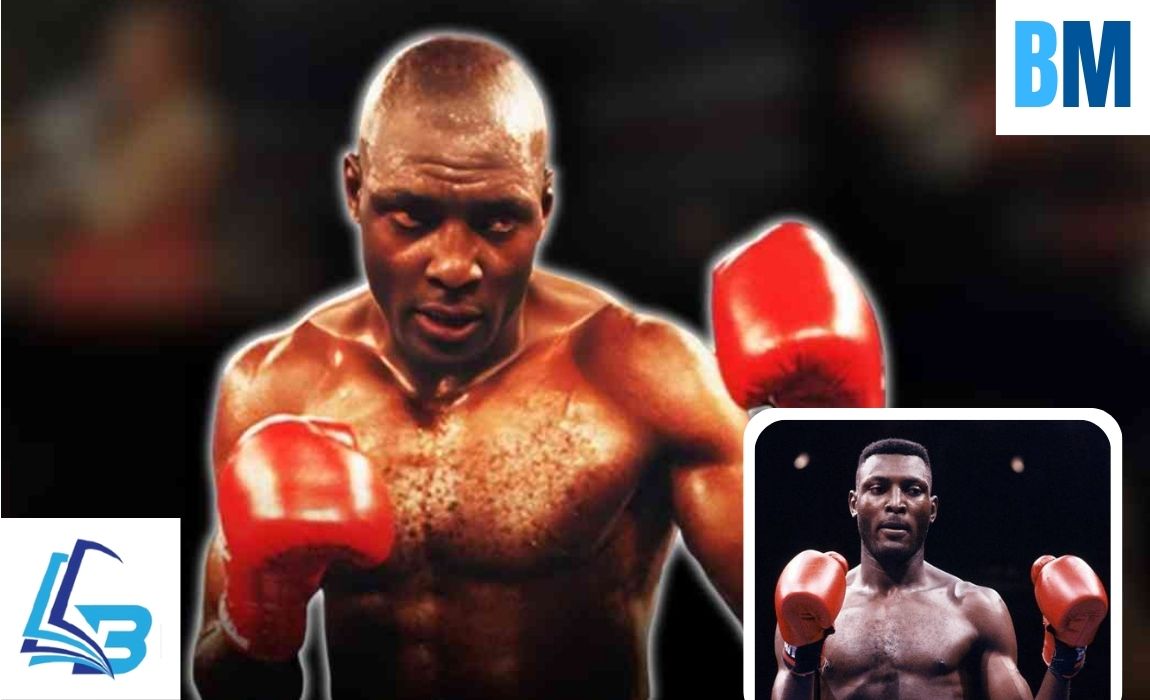
In the world of British boxing, Henry Akinwande is a name that resonates with understated excellence and technical brilliance. While the spotlight often fell on flashier fighters, Akinwande built his career on fundamentals—discipline, reach control, and boxing intelligence. A true “towering force,” both literally and metaphorically, he held the WBO heavyweight title and stood tall in a golden era of heavyweights.
This article offers an in-depth look at Akinwande’s life, career, challenges, and legacy—framed with SEO-optimized structure, informative insights, and newly contextualized facts to highlight his enduring impact on the sport.
Early Life and Roots
Henry Akinwande was born in Dulwich, London, but spent much of his early life in Nigeria, where his family roots run deep. Returning to the UK in his teens, Henry’s upbringing straddled two cultures, giving him both resilience and humility. Unlike many champions who begin their boxing careers early, Akinwande entered the sport relatively late, in his early 20s, making his rapid rise even more impressive.
He didn’t come from a family of fighters, but once he laced up the gloves, it became clear he had natural ability. His height and long limbs gave him an advantage, but it was his work ethic and intelligence that set him apart early on.
Amateur Career: Rapid Ascent Through the Ranks
Akinwande joined the Lynn Amateur Boxing Club, quickly making his mark. He won the ABA heavyweight titles in 1988 and 1989, establishing himself as one of Britain’s top amateurs. His standout moment came when he represented Great Britain at the 1988 Seoul Olympics, where he reached the quarterfinals, narrowly losing to the experienced Arnold Vanderlyde of the Netherlands.
This Olympic experience exposed Akinwande to international competition and prepared him mentally for a professional career. Despite being a late bloomer, he demonstrated incredible adaptability and tactical maturity.
Turning Professional: Early Dominance in the Ring
Turning pro in 1989, Henry Akinwande quickly caught the eye of boxing analysts. With his towering 6’7” frame and an 86-inch reach, he posed serious problems for opponents. He wasn’t a power-punching brawler, but rather a technician who used his range to control fights.
His early career saw him notch up several wins, including a key victory over former world light heavyweight champion J.B. Williamson. Each win brought him closer to title contention, building a reputation for being a smart, calm fighter with great ring awareness.
European and Commonwealth Champion
In 1993, Akinwande’s momentum continued as he claimed the European and Commonwealth heavyweight titles, defeating respected boxers like Axel Schulz and James Thunder. These wins validated his skills on the continental stage and set the stage for a world title shot.
His technical style was sometimes criticized as overly cautious, but it was effective. He was difficult to hit, managed distance excellently, and wore down opponents with a consistent jab and sharp counters.
World Champion: WBO Heavyweight Title Win
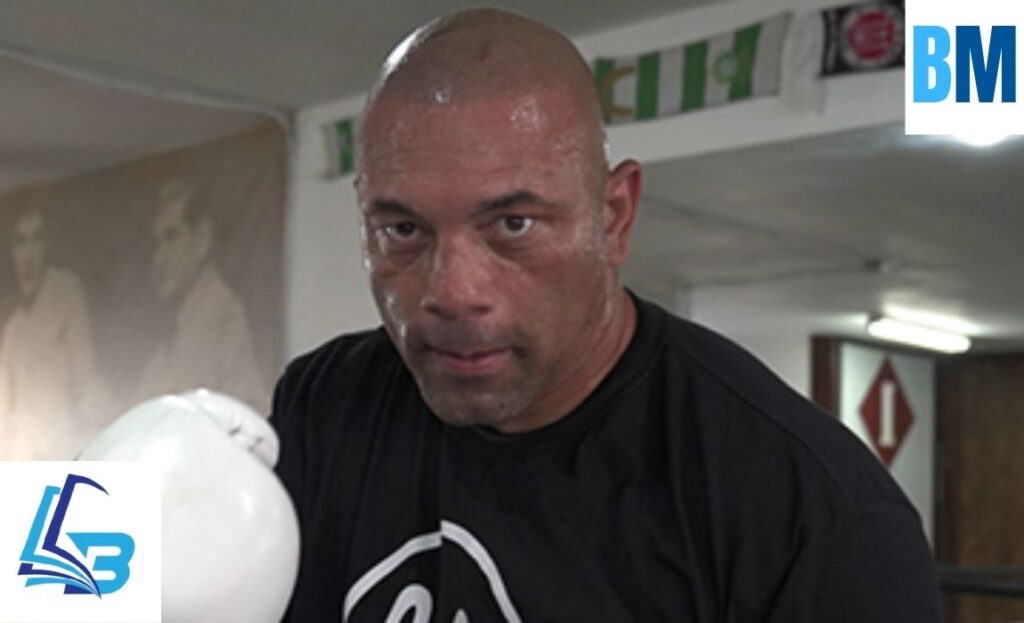
On June 29, 1996, Akinwande achieved the pinnacle of his career by defeating Jeremy Williams via third-round knockout to claim the vacant WBO heavyweight title. At a time when the WBO belt was still gaining recognition, Akinwande’s performance lent credibility to the title.
He defended the title successfully and held it until he vacated it to pursue a WBC title shot, reflecting his ambition to unify or hold more prestigious belts. His reign may have been brief, but it was impactful.
The Lennox Lewis Fight: Controversy and Consequences
In July 1997, Henry faced Lennox Lewis for the WBC heavyweight title in a highly anticipated all-British clash. The bout ended in controversy, as Akinwande was disqualified in the fifth round for excessive holding. Critics argued that his strategy was overly defensive, while others claimed the referee’s actions were harsh.
Regardless, the fight showcased the psychological tension of two skilled fighters trying to outmaneuver each other. Though a loss on paper, it was a reminder of how fine the margins are at the highest level.
A Pause for Health and Triumphant Return
Shortly after the Lewis bout, Akinwande’s career was derailed by a diagnosis of hepatitis B, which forced him out of the ring for nearly two years. For many fighters, such a setback could have ended their career. But Henry returned in 1999, proving that his passion and discipline remained intact.
Victories against solid opponents like Orlin Norris and Maurice Harris confirmed that Akinwande still belonged among the elite. Though he never regained a world title, his comeback was a testament to his resilience.
Style, Strength, and Strategy: The Akinwande Formula
Henry Akinwande’s fighting style was built on range control, defense, and efficiency. He wasn’t a flashy knockout artist, but rather a methodical, intelligent boxer who minimized damage and maximized control.
He utilized his jab masterfully, kept opponents on the outside, and avoided unnecessary exchanges. This made him a nightmare matchup for aggressive fighters who thrived on chaos. His footwork, patience, and ring IQ were underappreciated by casual fans but admired by purists.
Henry Akinwande vs. John Fury: A Look Back
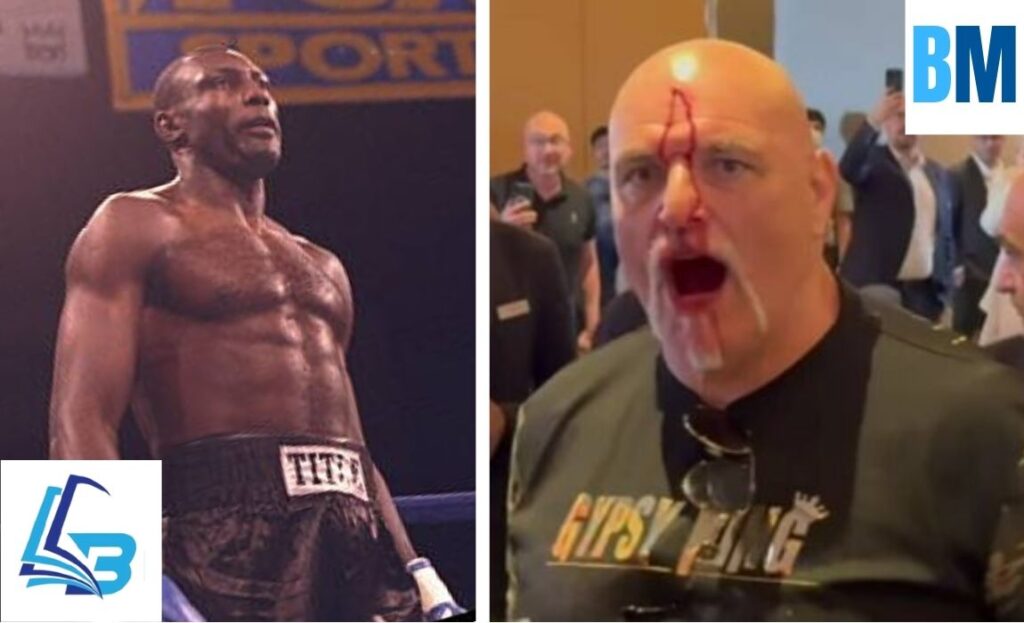
Akinwande’s fight against John Fury, father of current heavyweight champion Tyson Fury, is often revisited in British boxing circles. In that bout, Henry displayed clear dominance through superior skill, reach, and conditioning, comfortably securing victory.
This fight has gained renewed interest in recent years due to the Fury family legacy. Akinwande’s dismantling of John Fury is frequently cited as a generational marker between old-school and modern British heavyweight styles.
Legacy and Lasting Impact
Though not always in the spotlight, Henry Akinwande’s legacy is rich. He proved that late starters can achieve greatness through focus and discipline. He inspired countless British-Nigerian athletes, showing that intelligence and humility could be just as powerful as bravado.
He is part of a generation that paved the way for British heavyweight dominance in the modern era. His impact is felt in the way many upcoming fighters model their approach—focusing on skill and control over showmanship.
Life After Boxing
After his retirement in 2008, Akinwande chose a low-profile lifestyle, staying away from punditry or promotional circus. He has occasionally been involved in mentoring young boxers and participating in charity initiatives, but for the most part, he’s embraced privacy.
His post-boxing life reflects the same grace and dignity he showed in the ring. He remains a respected figure among boxing insiders and is often referenced as a model of professionalism.
Conclusion
Henry Akinwande may never have been the loudest voice in boxing, but his achievements speak volumes. From Olympic hopeful to WBO world champion, he climbed the ranks with hard work, humility, and unmatched discipline. His story is not only about fights won but about the way he fought—with precision, honor, and poise.
In an era hungry for hype, Akinwande stood as a quiet warrior—a towering force who proved that greatness often whispers rather than shouts.
Frequently Asked Questions (FAQs)
1. Who is Henry Akinwande?
Henry Akinwande is a British former professional boxer and former WBO heavyweight champion, known for his height, reach, and technical boxing style.
2. When did Henry Akinwande win the WBO title?
He won the WBO heavyweight title on June 29, 1996, by defeating Jeremy Williams via third-round knockout.
3. Did Henry Akinwande fight Lennox Lewis?
Yes, he fought Lennox Lewis in 1997 for the WBC title but was disqualified in the fifth round due to excessive holding.
4. What was Henry Akinwande’s boxing style?
He was a tactical and defensive boxer who used his reach and jab to control fights, often frustrating more aggressive opponents.
5. Why did Henry Akinwande take a break from boxing?
He was diagnosed with hepatitis B, which sidelined him for almost two years before returning to the ring in 1999.
6. What is Henry Akinwande doing now?
Since retiring in 2008, he has led a private life, occasionally mentoring younger boxers and staying involved in the sport quietly.
7. What is Henry Akinwande’s legacy in boxing?
Akinwande is remembered as a disciplined and intelligent heavyweight who influenced British boxing and inspired many with his understated excellence.
Click for more amazing info. blowmagazine.co.uk