









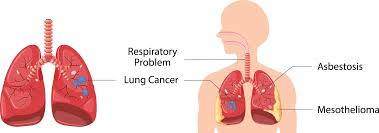
Asbestos was once widely used in construction and manufacturing because of its durability and heat resistance. However, decades of research have revealed that exposure to asbestos fibers poses severe health risks. These dangers are not always immediate, but they can lead to life-threatening conditions over time. Understanding the risks associated with asbestos is essential for anyone working in older buildings or industries where asbestos may still be present.
Respiratory Complications
One of the most common health issues linked to asbestos exposure is chronic respiratory disease. When asbestos fibers are inhaled, they can become lodged in lung tissue, causing irritation and scarring. Over time, this can lead to asbestosis, a condition characterized by shortness of breath, persistent coughing, and reduced lung function. Individuals with prolonged exposure often experience progressive symptoms that significantly impact their quality of life.
Increased Risk of Lung Cancer
Asbestos exposure is a well-documented cause of lung cancer. Unlike asbestosis, which results from fiber accumulation, lung cancer develops when asbestos fibers trigger cellular changes in lung tissue. Smokers who are exposed to asbestos face an even higher risk, as the combination of tobacco and asbestos compounds the likelihood of cancer. This makes early detection and preventive measures critical for those in high-risk environments.
Development of Mesothelioma
Mesothelioma is a rare but aggressive cancer that affects the lining of the lungs, abdomen, or heart. It is almost exclusively linked to asbestos exposure. Symptoms often do not appear until decades after initial contact, making it difficult to diagnose early. Unfortunately, mesothelioma has a poor prognosis, and treatment options are limited. This underscores the importance of minimizing exposure wherever possible.
Secondary Exposure Risks
While direct exposure is the most common route, secondary exposure can also occur. Family members of workers who handle products containing asbestos may unknowingly inhale fibers carried home on clothing or equipment. This indirect exposure can lead to the same serious health conditions as primary contact. Employers and workers must take precautions to prevent fibers from leaving the workplace.
Long-Term Health Consequences
The health effects of asbestos are not limited to the lungs. Studies have shown that asbestos exposure can contribute to other cancers, including those of the larynx and ovaries. Additionally, the chronic inflammation caused by asbestos fibers can weaken the immune system, making individuals more susceptible to other illnesses. These long-term consequences highlight the need for strict regulations and ongoing public awareness.
Conclusion
Asbestos remains a significant health hazard despite its reduced use in modern construction. The risks associated with exposure are severe and often irreversible, ranging from chronic respiratory disease to aggressive cancers like mesothelioma. Awareness and preventive measures are essential to protect individuals from these dangers. By understanding the critical health risks, we can take steps to ensure safer environments for everyone.