









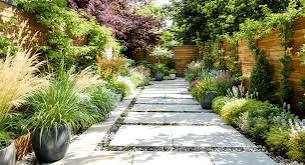
Many gardens have great potential but feel flat, tired, or underused. Fortunately, you don’t need a complete redesign or a big budget to bring them back to life. Often, a handful of smart improvements can dramatically improve the look and feel of your outdoor space.
In British gardens, space is often limited, and every detail counts. That is why these upgrades focus on structure, atmosphere, and usability.
If your garden has lost its spark, you’ll find inspiration in these seven landscaping fixes. They deliver quick, noticeable results that your family and friends will absolutely love.
What Makes Gardens Look Outdated?
Over time, small issues tend to accumulate. Patchy lawns, faded fences, undefined edges, overgrown borders, and dull hard surfaces can make even a well-planned garden look neglected.
The real problem is rarely one big flaw — it’s the gradual loss of definition, contrast, and purpose.
The most effective fixes address these core issues by adding structure, improving light and texture, and creating clearer zones.
When you’re done with these improvements, you’ll have a garden that feels intentional, balanced, and much easier to enjoy.
1. Define Borders and Edges for Instant Structure
One of the quickest ways to elevate a garden’s appearance is by sharpening the edges. Clean, well-defined borders between lawns, paths, and planting beds create a sense of order. Just this simple change makes the whole space look more intentional and polished.
Whether you use brick, stone, steel edging, or timber, clear lines instantly improve kerb appeal and help the garden feel more organised.
In smaller UK gardens, strong edging is especially valuable because it maximises the sense of space and prevents planting from spilling messily onto lawns or paths. The entire garden will feel neat and well-maintained.
2. Refresh Garden Beds with Fresh Mulch
Few landscaping upgrades create such an immediate visual improvement as fresh mulch. A newly mulched bed instantly looks tidier, richer, and more professionally maintained.
Dark organic mulch creates contrast around greenery and flowers, helping planting schemes stand out more clearly. At the same time, mulch suppresses weeds and helps soil retain moisture, making it both practical and attractive.
Bark mulch remains one of the most popular options in UK gardens because it suits both traditional and contemporary designs. Gravel mulch can also work well in modern spaces that favour a cleaner, more architectural look.
Beyond aesthetics, mulch also improves long-term soil health as organic materials gradually break down over time.
3. Install Outdoor Lighting to Extend Usability
Lighting has the ability to completely change how a garden feels after sunset. Even simple additions such as pathway lights or subtle uplighting can make outdoor spaces feel warmer, safer, and more welcoming.
Rather than relying on overly bright floodlights, modern garden lighting tends to focus on atmosphere and layering. Soft LED lighting around seating areas, planting beds, or trees creates depth and visual interest without overwhelming the space.
This is particularly valuable in the UK, where homeowners often want to make the most of summer evenings and outdoor entertaining.
Solar-powered and low-energy LED systems have also made outdoor lighting more affordable and environmentally conscious than in previous years.
4. Create Distinct Functional Zones Within the Garden
Gardens often feel more expensive and thoughtfully designed when they include clearly defined areas for different activities.
Creating zones for dining, relaxing, gardening, or entertaining makes outdoor spaces feel more organised and practical. Even compact gardens can benefit from this approach.
Simple additions such as gravel sections, raised planters, pergolas, or outdoor rugs can visually separate different parts of the garden without requiring major landscaping work.
This layered layout also encourages homeowners to use their gardens more regularly throughout the year, rather than treating the space as a single open area with no clear purpose.
5. Revitalise Existing Hardscaping
Old patios, faded fencing, cracked paving, and weathered pathways can quickly make a garden feel dated.
Fortunately, hardscaping upgrades often deliver some of the most dramatic before-and-after results. Pressure washing patios, repainting fences, resealing stone, or replacing damaged paving slabs can instantly refresh an outdoor space.
In many UK gardens, moss, algae, and weather staining gradually dull surfaces over time. Simply restoring these elements can make the entire garden appear brighter and better maintained.
For homeowners working with tighter budgets, improving existing hardscaping is often more cost-effective than replacing it completely.
6. Add Height with Vertical Planting
Many gardens lack visual depth because everything sits at ground level. Introducing height through vertical planting instantly makes a space feel more layered and dynamic.
Trellises, climbing plants, wall planters, and pergolas all help draw the eye upward while softening fences and brick walls.
This is particularly useful in terraced and urban UK gardens where floor space may be limited. Vertical planting allows homeowners to increase greenery without sacrificing usable space.
Fast-growing climbers such as clematis, jasmine, or ivy can quickly transform blank boundaries into attractive focal features.
7. Introduce a Strong Focal Point
The most visually successful gardens usually include a feature that naturally draws attention.
Without a focal point, outdoor spaces can feel flat or visually disconnected. Adding one standout feature helps anchor the design and gives the garden a stronger sense of identity.
This does not need to be elaborate or expensive. A decorative water bowl, a statement planter, a fire pit, a specimen tree, or a well-positioned bench can all create visual interest.
The key is choosing a feature that suits the scale and style of the garden rather than overcrowding the space with too many competing elements.
You can also call a professional landscaping service for custom garden design. These specialists have decades of experience behind them, so they can really make the best of the available space.
They’ll also know which questions to ask so the final design matches your lifestyle to the nines. There’s no trial and error there, only well-planned spaces.
Conclusion
The most inviting UK gardens aren’t always the biggest or most expensive. They’re the ones that feel cared for, structured, and easy to use. These seven landscaping fixes prove that meaningful improvements don’t require major disruption.
Start with one or two changes that will make the biggest visual difference, and you’ll often find the momentum carries you toward further improvements.
A reimagined outdoor space doesn’t just look better — it becomes a lovely retreat you actually want to spend time in.