









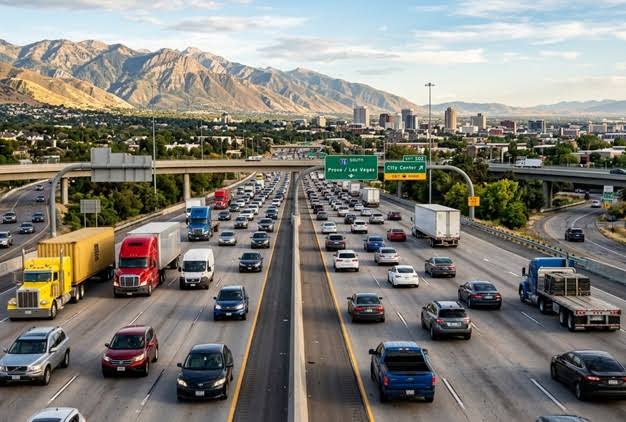
Managing business vehicles has become more challenging than ever. Rising fuel prices, increasing maintenance costs, stricter regulations, and evolving customer expectations have forced organizations to rethink how they operate their fleets. Whether a company manages a handful of service vans or hundreds of commercial vehicles, every decision affects operating costs, productivity, and customer satisfaction.
Businesses across the United States are increasingly adopting technology-driven strategies to improve vehicle performance while reducing unnecessary expenses. From route optimization to preventive maintenance planning, efficient vehicle management has become an essential part of long-term business success. Companies that invest in structured fleet management strategies often gain better visibility into their operations, helping them make informed decisions that improve efficiency without sacrificing service quality.
The Growing Importance of Data-Driven Fleet Operations
Modern fleet operations rely heavily on accurate data rather than assumptions. Businesses now have access to valuable information about vehicle usage, fuel consumption, maintenance schedules, and driver performance. This data allows organizations to identify inefficiencies before they become costly problems.
Instead of reacting to unexpected breakdowns, businesses can implement preventive maintenance based on vehicle performance indicators. This reduces downtime, extends vehicle lifespan, and improves overall reliability.
Data also supports smarter budgeting. Companies can accurately forecast maintenance expenses, replacement schedules, and operational costs while identifying opportunities to reduce unnecessary spending. As technology continues to evolve, data-driven decision-making is becoming one of the most valuable competitive advantages for organizations that depend on transportation.
Reducing Operational Costs Without Sacrificing Performance
Controlling expenses remains one of the biggest priorities for businesses operating vehicle fleets. Fuel, repairs, insurance, and depreciation represent significant portions of operational budgets. However, cost reduction should never compromise reliability or customer service.
Preventive maintenance helps avoid expensive emergency repairs while improving vehicle safety. Optimized routing minimizes unnecessary mileage, reducing fuel consumption and wear on vehicles. Driver training programs can also improve fuel efficiency by encouraging smoother driving habits and reducing harsh acceleration or braking.
Regular vehicle inspections allow businesses to identify small issues before they develop into major mechanical failures. By combining maintenance planning, route optimization, and operational oversight, companies can significantly lower costs while maintaining consistent service quality and dependable transportation.
Technology Is Transforming Fleet Efficiency
Technology has fundamentally changed how businesses monitor and manage commercial vehicles. GPS tracking, telematics systems, digital maintenance records, and automated reporting tools provide real-time insights into fleet performance.
Fleet managers can quickly identify delayed vehicles, monitor idle time, and evaluate route efficiency. Digital maintenance records ensure that inspections and servicing occur on schedule, helping organizations remain compliant with safety requirements while extending vehicle life.
Artificial intelligence and predictive analytics are also becoming increasingly valuable. These tools analyze historical data to predict maintenance needs, optimize vehicle utilization, and improve scheduling decisions. As businesses continue embracing digital transformation, technology will play an even greater role in improving operational efficiency and reducing long-term costs.
Building a Safer and More Sustainable Fleet
Safety remains one of the most important responsibilities for organizations managing business vehicles. Well-maintained vehicles, properly trained drivers, and consistent compliance with transportation regulations help reduce accident risks while protecting employees and customers.
Driver behavior monitoring provides valuable insights into speeding, harsh braking, and distracted driving. Addressing these behaviors through coaching programs improves both safety and operational performance.
Sustainability has also become a major focus across many industries. Businesses are exploring fuel-efficient vehicles, hybrid technologies, and electric vehicle adoption to reduce emissions and operating expenses. Even small improvements in fuel efficiency can produce significant environmental and financial benefits over time.
Organizations that prioritize both safety and sustainability strengthen their reputation while preparing for evolving regulatory requirements and changing customer expectations.
Conclusion
Effective fleet operations involve much more than simply maintaining vehicles. They require strategic planning, informed decision-making, proactive maintenance, technology adoption, and continuous performance improvement. As operating costs continue to rise and customer expectations evolve, businesses must focus on efficiency without compromising reliability or safety.
Organizations that embrace data-driven management practices are better positioned to reduce expenses, improve vehicle utilization, enhance driver safety, and deliver consistent service. These improvements not only strengthen day-to-day operations but also create long-term competitive advantages in increasingly demanding markets.
Looking ahead, businesses that invest in smarter fleet strategies and modern operational practices will be better prepared to adapt to industry changes, improve profitability, and build resilient transportation systems capable of supporting future growth.