









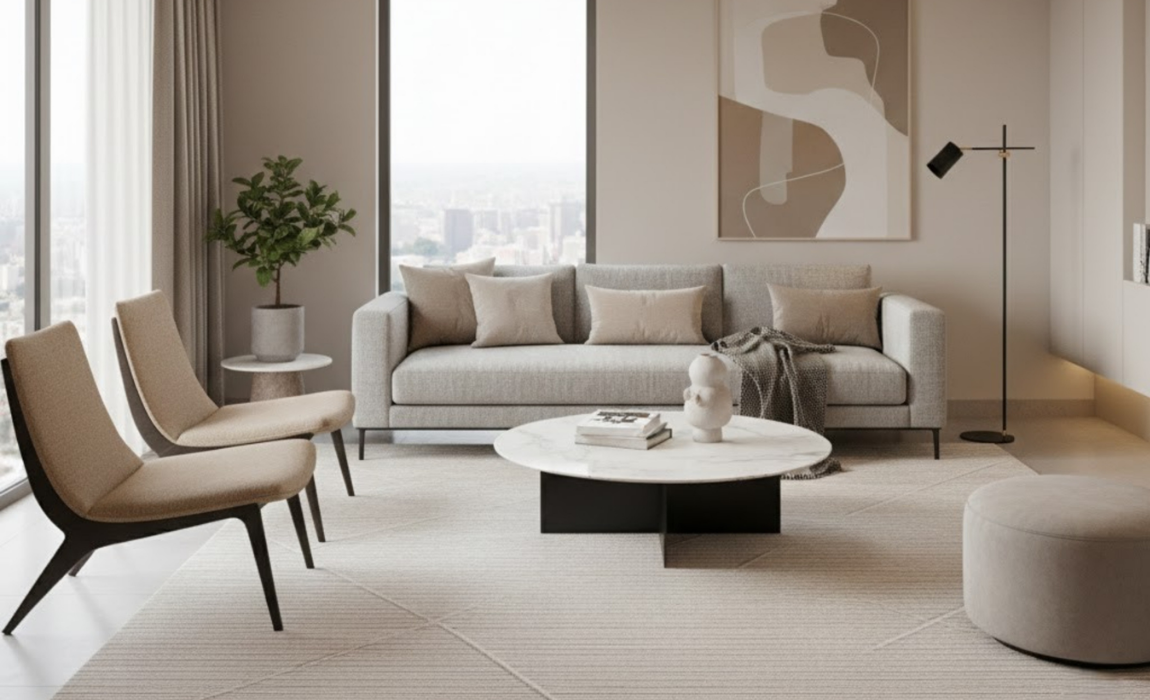
Interior design in the UK is currently undergoing a significant shift. Homeowners and architects are moving away from traditional, heavy materials in favour of elements that promote light and space. Acrylic has emerged as a frontrunner in this movement. It’s no longer viewed as a mere substitute for glass but as a premium material in its own right. Its adaptability makes it a staple for those looking to modernise their living environments without sacrificing durability.
The beauty of this material lies in its clarity and strength. Whether it’s used in sleek kitchen splashbacks or bespoke furniture, it offers a clean aesthetic that complements both minimalist and maximalist styles. Because it’s lightweight and easy to handle, it has become a favourite for DIY enthusiasts and professional builders alike. If you’re curious about how this versatile material can elevate your next home project, read our full article and discover its many applications.
The Aesthetic Appeal of Transparency
One of the most striking features of modern acrylic is its ability to blend into any colour palette. In smaller British homes where natural light is often at a premium, transparent elements can make a room feel significantly larger. By allowing light to pass through unobstructed, acrylic furniture and fixtures prevent the visual clutter that solid wood or metal might create. It’s a clever way to maintain functionality while preserving an airy feel.
Designers are increasingly opting for a high-quality clear cast acrylic sheet to create ‘invisible’ features. These sheets provide a level of optical clarity that often surpasses traditional glass. They don’t have the green tint sometimes found in thick glass panes, ensuring that the true colours of your decor shine through. This purity of appearance is why the material is frequently selected for high-end retail displays and sophisticated gallery settings.
Versatility in the Home
The application of acrylic goes far beyond simple shelving. It’s incredibly adaptable and can be shaped to suit almost any requirement. In the kitchen, it serves as a hygienic and easy-to-clean surface. In the bathroom, moisture-resistant panels offer a contemporary alternative to traditional tiling.
The material is also inherently safer than glass in busy households because it’s much more impact-resistant. Common uses for these materials include:
- Protective table top covers to shield expensive wood from scratches.
- Bespoke picture framing for a modern, borderless look.
- Secondary glazing to help with thermal insulation in older properties.
- Custom-made room dividers that zones a space without blocking light.
Precision and Customisation
Modern fabrication techniques have opened up a world of possibilities for bespoke design. You can now order materials that are cut to specific dimensions with incredible accuracy.
This level of precision is vital for DIY projects where a perfect fit is required. Options like rounded corners and pre-drilled holes mean that the material arrives ready for installation, reducing the need for complex tools at home.
Durability and Long-Term Value
While the aesthetic benefits are clear, the longevity of the material shouldn’t be overlooked. It’s remarkably tough and can withstand the daily wear and tear of a family home. It won’t shatter like glass if it’s knocked over, which provides peace of mind for parents and pet owners. Furthermore, it’s easy to maintain its lustre with simple cleaning, ensuring that your design choices look fresh for years to come.
Sustainability in Modern Manufacturing
Environmental impact is a key consideration for the modern British consumer. The industry has made great strides in eco-friendly practices. Many suppliers now stock materials from manufacturers who prioritise ethical trading and sustainability. This includes the production of recycled versions of the material that maintain the same high performance as virgin plastics.
Choosing these products means supporting a circular economy. Recyclable plastics can be processed and reused at the end of their lifespan, which helps in reducing overall environmental footprints. This forward-thinking approach ensures that beauty in design doesn’t have to come at the expense of the planet. It’s a responsible choice for the conscious decorator.
Closing Remarks
The resurgence of acrylic in interior design is a testament to its unique blend of form and function. It offers a level of flexibility that few other materials can match, making it an ideal choice for a wide range of applications from engineering to home DIY.
As we continue to seek out ways to make our homes brighter and more efficient, this material will undoubtedly remain at the heart of contemporary British style.