









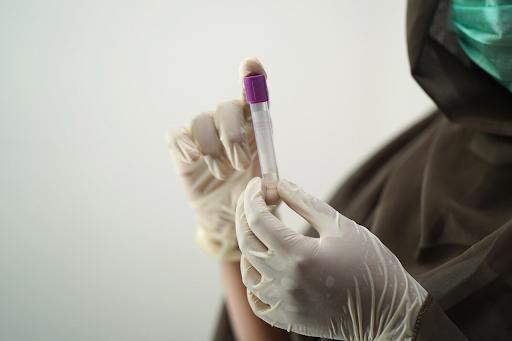
Bloodborne Pathogens (BBP) certification is a type of safety training that teaches workers how to protect themselves from diseases spread through blood and other bodily fluids. This training is important in workplaces where employees may come into contact with blood or potentially infectious materials.
BBP certification is commonly required for healthcare workers, emergency responders, laboratory technicians, janitors, and other employees who may face exposure risks. The goal of the training is to help workers stay safe and prevent the spread of serious infections. Read on.
Why BBP Training Is Important
Bloodborne pathogens are microorganisms that can cause disease in humans. They are found in infected blood and certain body fluids. Some of the most common bloodborne diseases include:
- Hepatitis B (HBV)
- Hepatitis C (HCV)
- Human Immunodeficiency Virus (HIV)
These diseases can spread if infected blood enters the body through cuts, punctures, or contact with the eyes, nose, or mouth. Because of this risk, workplaces require proper training so employees know how to handle these situations safely. BBP training helps workers understand these dangers and teaches them how to avoid exposure.
Step 1: Enroll in a BBP Training Course
The first step to getting BBP certification is signing up for a training course. Many organizations offer these courses, including:
- workplace safety providers
- healthcare training centers
- online learning platforms
In many cases, employers provide this training for their staff. However, individuals can also take the course on their own if their job requires it. Make sure to look for reputable programs for bloodborne pathogens certification to get the most out of your training.
Step 2: Learn the Key Safety Practices
During the course, participants learn important safety procedures for preventing exposure to bloodborne pathogens. Some of the main topics include:
How bloodborne pathogens spread. Common diseases caused by these pathogens. The importance of universal precautions, which means treating all blood as potentially infectious.
Appropriate utilization of personal protective equipment (PPE) like gloves, masks, and protective garments. Safe management and disposal of sharps and contaminated materials.
These lessons help workers understand how to reduce risks in the workplace.
Step 3: Understand Exposure Response
BBP training also teaches what to do if exposure happens. Workers learn the correct steps to take immediately after an incident. This may include:
Washing the affected area. Reporting the incident to a supervisor. Seeking medical evaluation.
Following workplace exposure control procedures. Knowing how to respond quickly can help reduce the chance of infection.
Step 4: Pass the Certification Test
Most BBP courses end with a short exam or quiz. This test checks that participants understand the safety practices taught during the training.
After successfully passing the test, participants receive a BBP certification. This certificate shows that they have completed the training and understand workplace safety procedures related to bloodborne pathogens.
Step 5: Renew Certification When Required
BBP certification usually needs to be renewed regularly. Many workplaces require refresher training every year to keep employees updated on safety guidelines. Renewing the certification ensures that workers stay aware of the latest safety practices and continue to follow proper procedures.
Investing in Safety
Getting BBP certification is an important step in maintaining a safe workplace. The training helps employees understand how bloodborne pathogens spread and how to prevent exposure. By following proper safety procedures and staying up to date with training, workers can protect themselves, their coworkers, and the people they serve.
If you want to read more articles, visit our blog.