








A cross-cultural study published in Archives of Sexual Behavior examined attitudes toward sugar relationships across 69,924 participants in 87 countries. The findings showed that interest in these partnerships was not confined to one region, one income level, or one age group. People across cultures reported similar motivations: companionship, mentorship, lifestyle alignment, and connection with someone whose priorities matched their own. The study treated sugar relationships as a legitimate category of human pairing rather than a deviation from one. That framing reflects a broader change in how these relationships are discussed in academic and public settings.
A 2025 scoping review in Current Psychology confirmed that the motivations behind sugar relationships span a range that does not fit neatly into any single label. The review found evidence of companionship, social connection, mentoring, and shared lifestyle goals among participants. The gap between how these relationships are perceived by outsiders and how they are described by the people in them has been narrowing steadily.
What Changed in Public Perception
Social media played a direct role. TikTok’s algorithm promoted content about sugar lifestyles to users under 30, presenting these partnerships casually and without stigma. The content reached millions of views. For younger audiences who grew up seeing this material in their feeds, sugar relationships became one option among many rather than something hidden or shameful. The visibility alone reduced the social friction that had previously kept people from talking about these arrangements openly.
Academic interest followed. What was once left to tabloid speculation is now the subject of peer-reviewed research in psychology, sociology, and gender studies. The shift from gossip to data has made it harder to dismiss these relationships with stereotypes. When a topic moves from the margins into research journals, the taboo around it tends to weaken.
People Find Connections That Fit
The internet has made it possible for people to search for relationships that match specific preferences. Platforms built around niche lifestyles and unconventional pairings have grown steadily over the past decade. Sites likeSecret Benefits, along with other arrangement-oriented communities, give people a path to what they are looking for without filtering through a general-purpose pool.
The growth of these platforms reflects a cultural shift more than anything else. People are more open about what they want, and the infrastructure to support those preferences exists in a way it did not 15 years ago.
Companionship as the Central Theme

The assumption that sugar relationships are defined by a single dimension does not hold up under the data. Research consistently shows that participants describe their partnerships in terms that overlap with what people seek in any relationship: someone to spend time with, someone who provides emotional support, someone whose goals align with theirs. A study in Current Psychology found that mentorship and genuine closeness ranked among the top motivations for older partners in these arrangements.
Younger participants reported valuing guidance, shared experiences, and the presence of a partner who brought stability to their lives. These descriptions do not match the caricature. They match the language people use when describing healthy partnerships of any kind. The difference lies in the structure, not the substance.
Generational Comfort with Relationship Variety
Younger adults are significantly more comfortable with non-traditional relationship models. 41% of Gen Z users in a 2023 Tinder report expressed openness to non-monogamous relationships. 51% of adults under 30 told Pew Research the same year that open marriage was acceptable. Within that climate, sugar relationships are one entry in a longer list of partnership types that younger generations treat as normal.
The generational divide is real but closing. Older adults are less likely to express approval of non-traditional arrangements. But the cultural weight has shifted toward the cohort that grew up with more models available to them. When a generation sees sugar relationships discussed on social media, researched in universities, and practised by people they know, the stigma no longer has the same force. What was once whispered about in closed rooms is now discussed openly in interview formats, podcasts, and comment sections.
The Data Behind Growing Acceptance
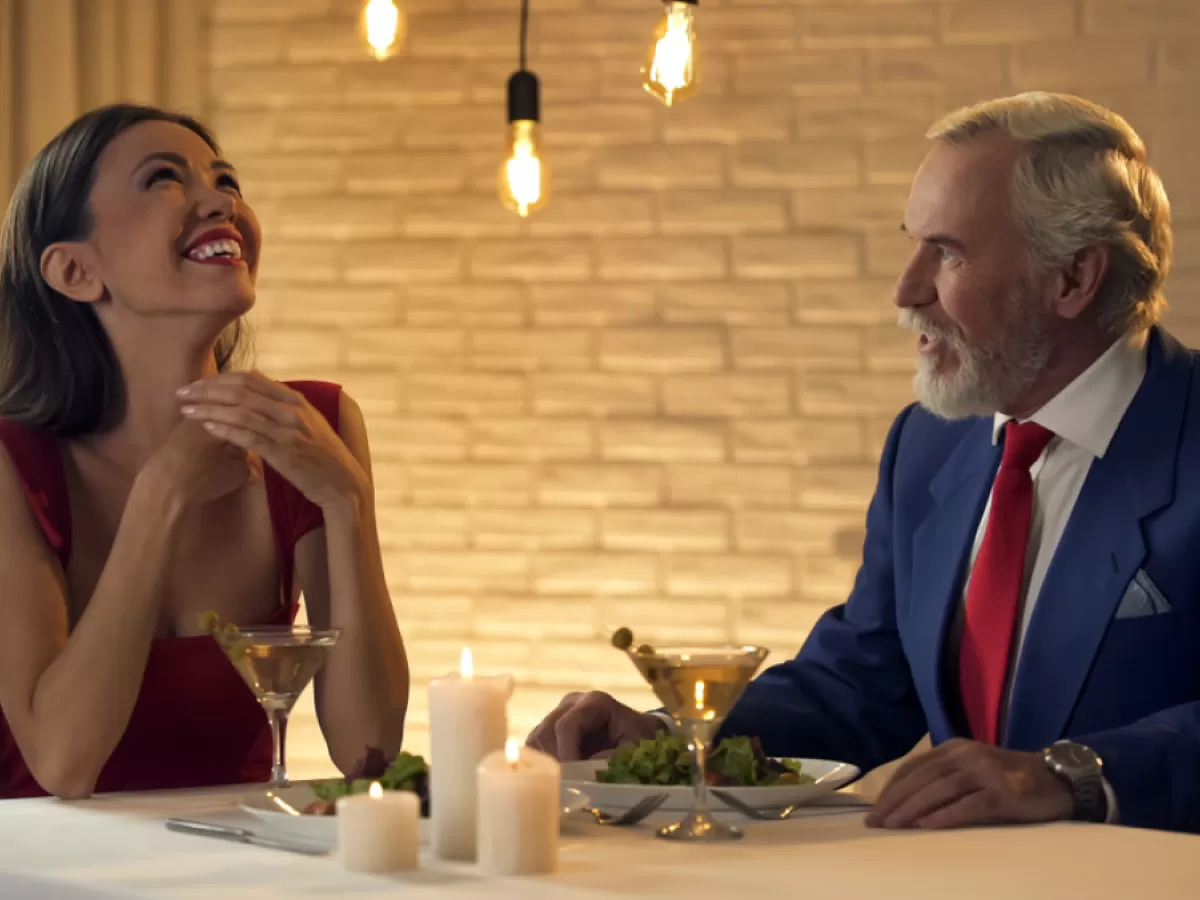
The 87-country study found that acceptance was highest for arrangements involving younger women and older men, which tracks with the demographic composition of most sugar communities. But acceptance was not limited to that configuration. Participants reported interest in a range of dynamics that crossed gender lines and age expectations. The study did not frame this as unusual. It framed it as consistent with broader relationship trends in which people seek partners based on compatibility rather than convention.
In Hungary, a representative sample of women showed that openness to sugar relationships correlated with personality traits associated with curiosity and emotional sensitivity rather than with financial need alone. The findings suggested that the willingness to consider a sugar partnership says more about a person’s openness to alternative relationship structures than about their circumstances.
A Shift That Already Happened
The taboo has not disappeared for everyone. Regional and generational differences persist. But the direction of change is one-way. Visibility, research, and generational attitudes have all moved toward acceptance. People in sugar relationships increasingly describe their partnerships in language that reflects emotional depth and mutual respect, and that language is being validated by data rather than contradicted by it.
The question of whether sugar relationships are accepted is increasingly a settled one among younger adults and in urban settings. The more relevant question is what happens next: how these relationships are supported, how the people in them describe their own well-being, and how the broader culture incorporates a partnership model that was always present but rarely acknowledged. The taboo faded because the reasons for it were never as strong as the assumptions behind it.