









What makes one cover letter stand out while others are ignored? Job applications often fail because they sound generic or unclear. Employers still value clear structure, honest tone, and respect for proven formats.
Personalization helps show fit without breaking tradition. Smart writing tools now support this process without replacing judgment.
This article explains how to use them wisely and effectively. By the end, readers will know how to craft stronger letters that highlight real strengths and improve results. Keep on reading!
Understanding the Purpose of a Cover Letter
A cover letter isn’t meant to repeat your resume word for word. It sets the scene, shows character, and clearly explains value. When it’s written well, it follows long-standing hiring practices and makes things clearer at the same time.
Employers want a letter that explains why the applicant is a good fit for the job. On the other hand, they want confidence that is balanced with humility and good sense. This expectation hasn’t changed in many decades of hiring.
Strong letters focus on what the recipient has done instead of just praising them. With a calm voice, they link skills to real needs. Every new improvement should be based on this old goal.
Why Personalization Still Matters Today
Individualization demonstrates concern, which is something that employers have always valued. It is evidence that time was taken to comprehend the role that a tailored message was sent. Due to this effort, serious candidates are frequently distinguished from casual candidates.
Generic letters have a sense of being hurried and aimless. They are unable to make the connection between experience and particular responsibilities. This absence is quickly noticed by those in charge of hiring.
When we talk about personal details, we are not using informal language. They mean a precise alignment with the objectives of the job. This harmony respects tradition while simultaneously enhancing impact.
Identifying Core Strengths Clearly
Before writing any letter, it is important to conduct an honest self-evaluation. The strengths should be applicable, able to be demonstrated, and simple to explain. The use of vague claims undermines trust and diminishes credibility.
When skills are tied to results, they are most important. The ability to visualize performance is facilitated by clear examples. Fair evaluations have always been supported by this method.
Listing an excessive number of strengths leads to confusion. Selecting the ones that are most pertinent demonstrates judgment. Restraint like that demonstrates professionalism and respect for others.
Matching Strengths to Job Requirements
In order to facilitate alignment, job descriptions provide a clear map. The strengths that are being sought are hinted at by each duty. When language is matched, it is easier for readers to follow the connection.
Relevance is prioritized over creativity in traditional hiring practices. Instead of impressing with style, strengths should be able to answer real needs. Taking this approach ensures that the letter remains effective and grounded.
Smart tools can assist by organizing this match. A single cover letter generator to better represent your skills can help maintain focus. Final judgment should always remain with the applicant.
Using Smart Writing Tools Wisely
Writing tools are most effective when used as assistants rather than decision makers. They give the impression of structure, clarity, and a more fluid flow. When used appropriately, they offer time savings without compromising authenticity.
Even when it comes to technology, traditional standards are still applicable. Respect, tone, and grammar must all be maintained at all times. Using automation to replace careful review is never a good idea.
When it comes to drafting and revising, tools are the most helpful aids. They bring to light deficiencies and enhance equilibrium. As a result of human judgment, the final message will appear to be genuine.
Keeping Language Clear and Professional
The use of language that is easy to understand has always been valued in business writing. There is no confusion in the meaning conveyed by simple words. This manner demonstrates confidence and helps to build trust.
Excessively complicated language can give the impression of being forced. Because of this, the primary message is obscured. Clarity is more important to employers than flair.
Having a professional tone does not mean using stiff language. It means communication that is courteous, straightforward, and focused. Keeping this equilibrium in place satisfies long-standing expectations.
Structuring the Letter for Easy Reading
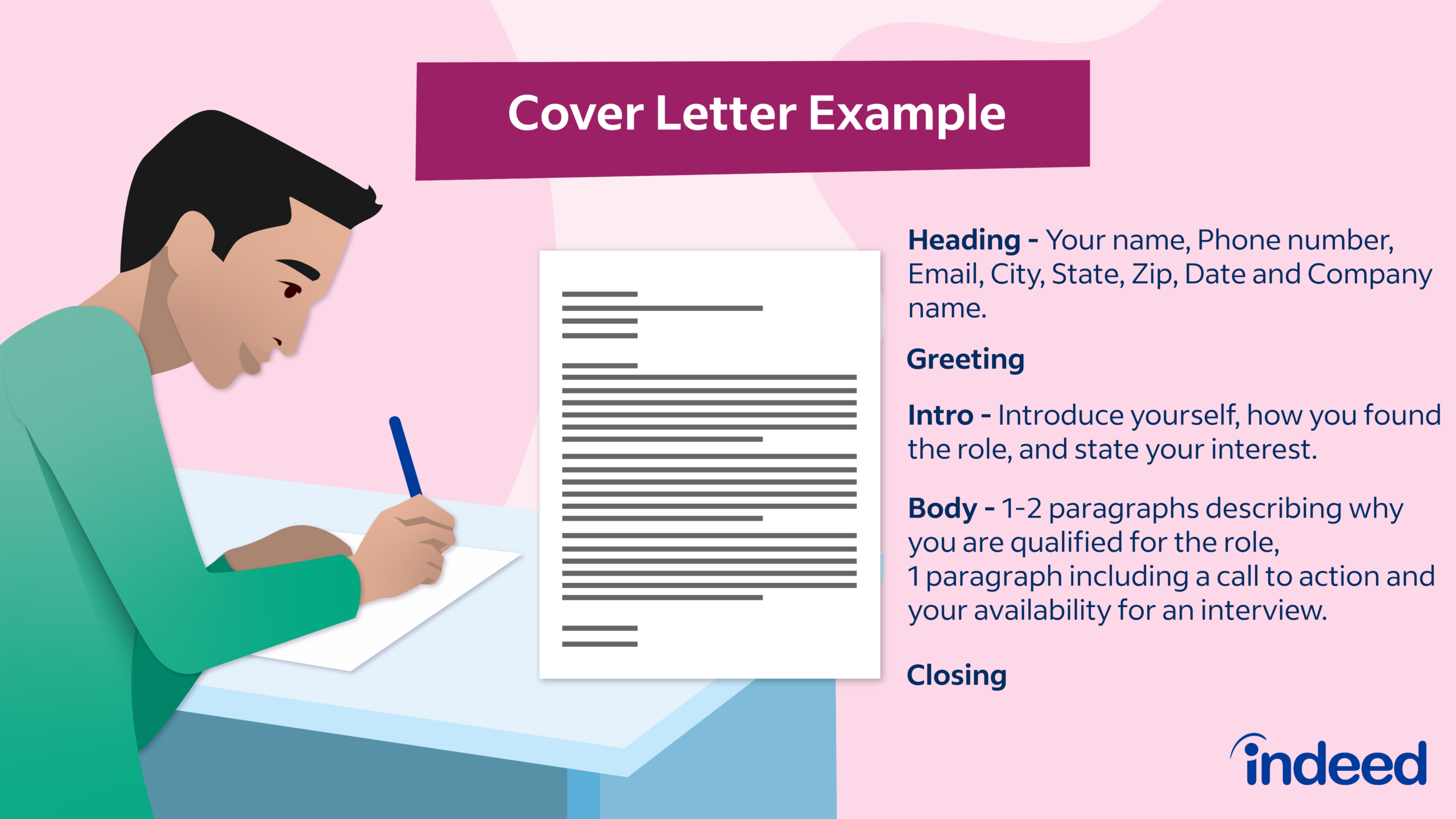
There is a distinct format that is followed by traditional cover letters. A beginning, a body, and a conclusion serve to direct the reader. This format continues to be efficient and the same as before.
Every paragraph must serve a purpose. It is the openings that introduce the intent, the bodies that explain the value, and the closings that invite action. This arrangement helps readers maintain their interest.
Flow and spacing can be checked with intelligent tools. They make certain that the letter appears well-designed. Having a clean structure is a reflection of care and discipline.
Avoiding Common Personalization Mistakes
An excessive amount of personalization can give the impression of being forced. It is detrimental to one’s credibility to use incorrect names or details. Instead of excessive detail, accuracy is more important.
Copying job language without understanding what it means is another mistake. A lack of comprehension is demonstrated by empty repetition. Employers, on the other hand, value interpretation that is thoughtful.
Another risky strategy is to rely solely on tools. Work that has not been reviewed might sound generic. This problem can be avoided through careful editing.
Reviewing and Refining Before Sending
Writing that is of high quality has always included review. A better way to identify awkward phrasing is to read out loud. Relatively minor changes frequently result in significant enhancements.
Errors in grammar and spelling undermine people’s trust. They imply a lack of care or attention to detail. Most conventional employers are aware of these particulars.
The final review ensures that the letter is consistent with the intended purpose. The fact that strengths are both clear and relevant is confirmed. After completing this step, the process is finished with confidence.
Showcase Your Abilities To Create Personalized Cover Letterswith Smart Writing Tools
Personalized cover letters are still important for hiring, even if the tools change. Employers have valued clear structure, honest strengths, and a respectful tone for many years.
Smart writing tools can help you reach these goals, but be careful. Applicants feel more confident when you focus on tradition, clarity, and usefulness.
Don’t follow the latest trends when writing strong letters. After careful planning and review, the purpose and direction of an application are clear.
Did you like this guide? Great! Please browse our website for more!
Create Personalized Cover Letters That Highlight Strengths