









If you spend even a few minutes scrolling TikTok or Instagram, you can quickly tell which posts are ads and which ones are not. The ads that feel forced or overly polished usually get skipped without a second thought. The ones that feel like regular content often get watched, liked, or even shared. This difference matters more than ever as social platforms continue to reward ads that blend naturally into the feed.
For marketers, the challenge is clear. How do you promote a product without interrupting the experience people came for in the first place? Understanding what makes an ad feel native on TikTok and Instagram is the key to solving that problem. This article breaks down the elements that influence native feel and explains how brands can apply them consistently.
What does “native” actually mean on TikTok and Instagram?
Native ads match the look, tone, and behavior of organic content on the platform.
On TikTok and Instagram, native does not mean hiding the fact that something is an ad. It means the content feels like it belongs in the feed. The video format, pacing, and storytelling style align with what users already consume. TikTok has shared that ads designed around platform culture tend to hold attention longer than ads that feel imported from other channels.
Native ads respect the unwritten rules of each platform. They follow familiar patterns that users recognize instinctively.
Why do users engage more with native-looking ads?
People scroll social feeds for entertainment, inspiration, or connection, not to shop.
When an ad feels disruptive, users move on quickly. Meta has stated that viewers often decide whether to keep watching content within the first few seconds. Ads that resemble organic posts reduce this mental friction. They do not force users to switch from “watching content” to “being sold to.”
Research from Nielsen has shown that ads resembling user-generated content often deliver stronger recall and more efficient engagement than traditional brand creatives. Native feel lowers resistance and increases the chance that the message lands.
How important is video style and format?
Video style is one of the strongest signals of whether an ad feels native.
On TikTok and Instagram Reels, native videos are usually vertical, full-screen, and informal. They often feel handheld, even when they are planned. Highly polished studio-style videos are not inherently bad, but they tend to signal “advertisement” much faster.
TikTok’s creative best practices consistently highlight vertical framing, natural lighting, and quick cuts. Ads that follow these norms blend into feeds more easily than videos repurposed from TV or YouTube.
Does sound and voice affect how native an ad feels?
Sound plays a much bigger role than many marketers expect.
Native ads often use conversational voiceovers, creator narration, or trending audio. They sound like real people speaking casually, not scripted brand messages. On TikTok especially, sound is central to discovery. Ads that use platform-style audio tend to feel more authentic.
Instagram Reels favors a similar approach. Overly polished voiceovers or generic background music can make an ad feel out of place, even if the visuals look right.
How does pacing influence native performance?
Pacing determines whether a viewer stays or scrolls.
Native content moves quickly and respects short attention spans. Ads that spend too long on logos or introductions often lose viewers before the message is clear. TikTok has emphasized that introducing the core idea early helps ads perform more consistently.
Native ads feel like they understand the viewer’s time. They get to the point without feeling rushed or chaotic.
Why does storytelling matter even in short ads?
Native ads still tell stories, even when they are only a few seconds long.
Instead of listing features, they often show a moment, a reaction, or a simple problem-and-solution. This mirrors how creators naturally share experiences on social platforms. A quick before-and-after or a short demonstration can feel far more native than a polished sales pitch.
Both TikTok and Instagram prioritize content that feels human. Ads that tell small, relatable stories blend in better than ads that try to say everything at once.
How do visuals and framing shape native feel?
Creator-style framing is a major contributor to native perception.
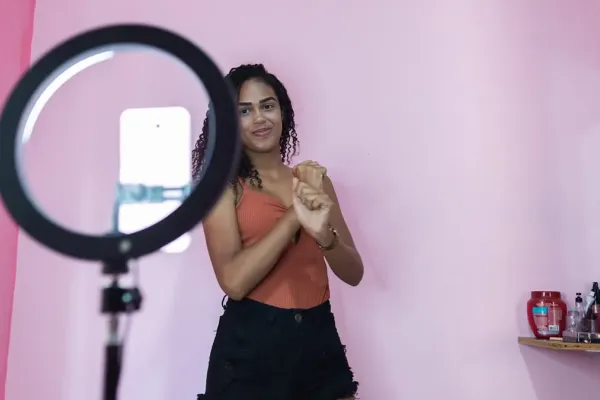
This includes eye-level shots, close framing, and direct-to-camera delivery. These visuals signal personal, informal content. Many native ads look like something a creator would post from their own account.
Brands that adopt this visual language often see better engagement because the content feels familiar. It matches what users already see dozens of times a day.
Can brands scale native ads without creators?
Yes, and this is where AI has changed how teams work.
Not every brand can collaborate with creators constantly, and influencer timelines do not always match fast testing needs. Many performance teams now generate creator-style ads internally. Some use platforms like Heyoz, an AI-powered ad maker, to create social-first ads that follow native formats without relying on external creators.
This approach allows teams to test hooks, visuals, and formats quickly while keeping content aligned with platform norms. The goal is not to replace creators, but to make native ad testing scalable.
How does creative testing help ads feel more native?
Testing helps brands learn what feels natural to their audience.
What looks native for one brand or product may not work the same way for another. By testing variations of hooks, pacing, and visuals, teams can identify patterns that resonate. Meta has shared that creative is one of the largest contributors to performance differences between ads.
Native feel is refined through iteration. Faster testing leads to clearer insights and more consistent results.
What mistakes make ads feel non-native?
Some mistakes instantly signal “this is an ad.”
These include horizontal videos cropped into vertical formats, heavy branding in the opening seconds, scripted language, and ignoring platform trends. Ads that feel copied from other channels often struggle because they do not respect TikTok or Instagram culture.
Another common mistake is over-polishing. On social platforms, relatability often outperforms perfection.
How can brands stay native as platforms evolve?
Native standards change as platforms evolve.
The best way to stay native is to stay observant. Watch what creators post, notice which formats repeat in your feed, and pay attention to emerging trends. Native ads are rarely invented in isolation. They are adapted from what already works organically.
Brands that treat TikTok and Instagram as living ecosystems rather than static ad placements are better positioned to keep their content feeling native over time.
Conclusion
An ad feels native on TikTok and Instagram when it respects how people actually use these platforms. It looks like organic content, sounds like a real person, and moves at the pace users expect. Native ads reduce friction and make it easier for messages to land naturally.
Creating native ads consistently requires observation, testing, and the ability to adapt quickly. As platforms continue to reward authenticity and relevance, brands that focus on native-first creative will have a clear advantage. Native ads do not hide the fact that they are ads. They earn attention by fitting in.